When fear was bigger than understanding
Witch persecution was often about control, fear and scapegoats.
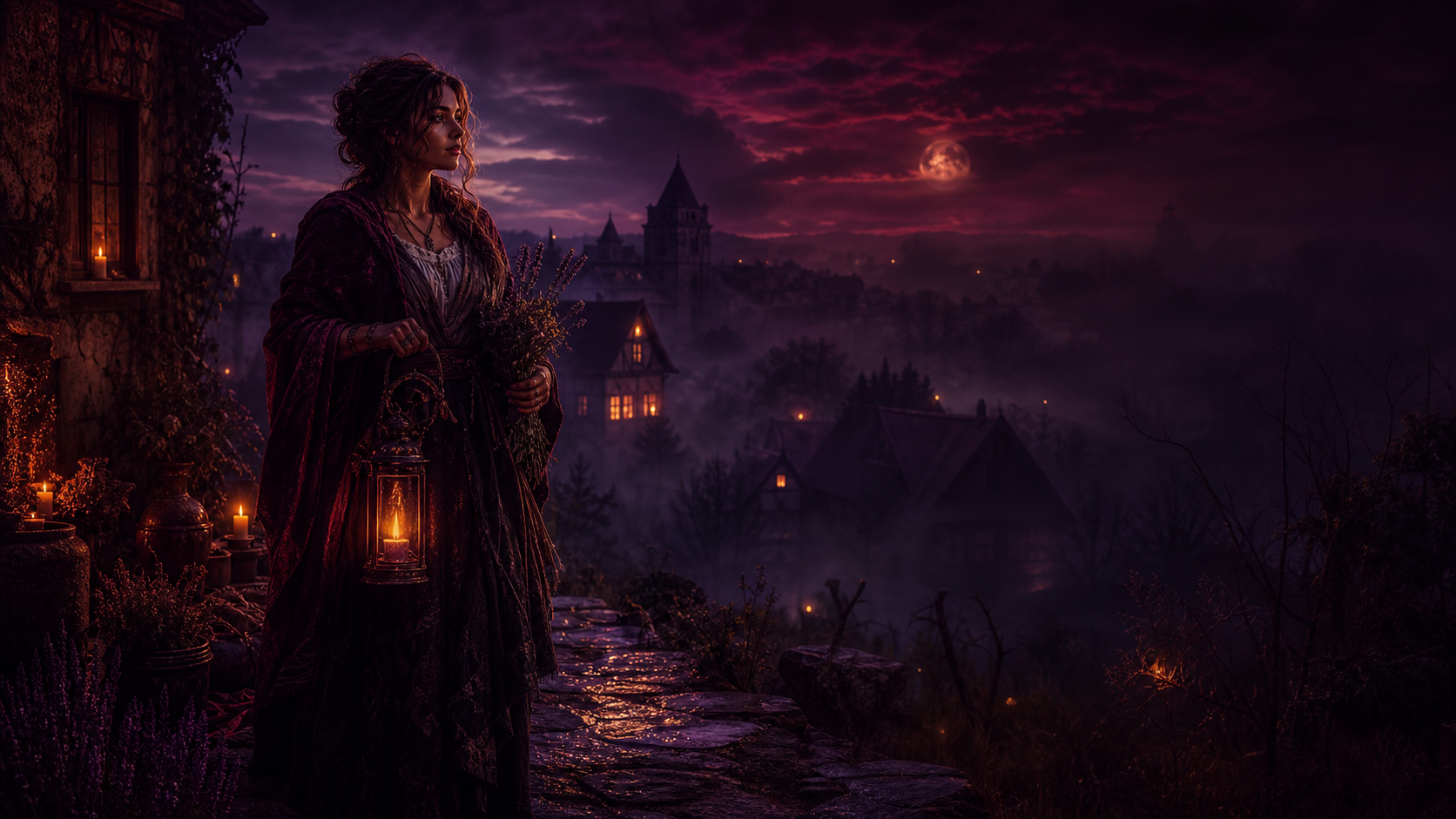
In Europe and the American colonies, people were accused of witchcraft in the early modern period. Historians estimate that nearly 100,000 people were prosecuted and 40,000 to 60,000 were executed. More than three quarters of the accused were women. Often it was not about real magic, but about fear, misfortune, religious tension, jealousy, illness, loss or people who did not fit what the community considered safe.
15e-18e eeuw
The great witch trials
The witch trials did not happen the same way everywhere. Some regions were hit hard, others barely at all. Accusations could arise from village conflicts, illness, failed harvests or the need to point to someone as the cause of misfortune.
1692-1693
Salem
The Salem trials are known because 19 convicted people were hanged and many others were imprisoned. Salem later became a symbol of how dangerous mass fear and accusations can become.
Nu
The word witch gained new meaning
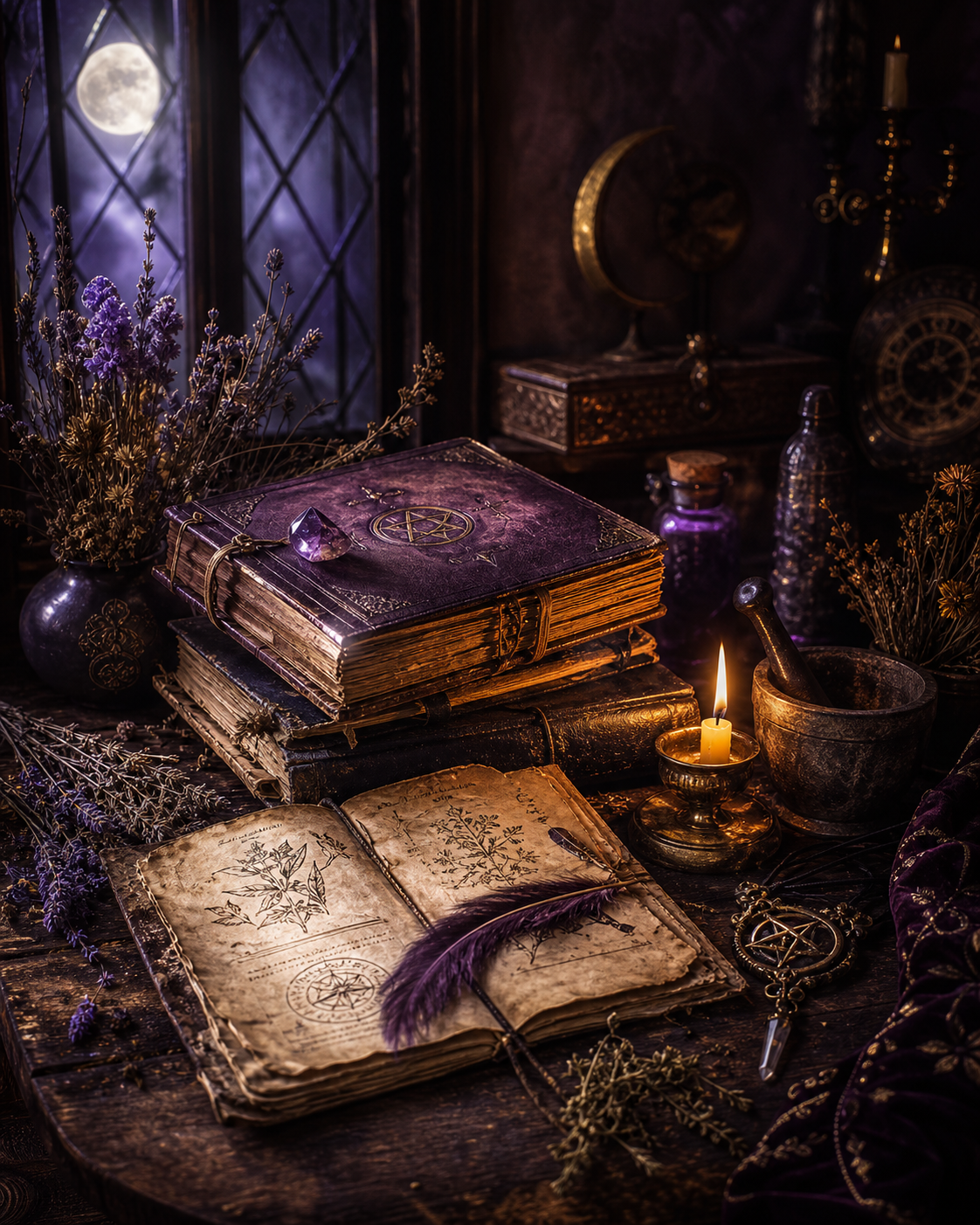
Today many people use words like witch, spiritual, intuitive or energetic as a sign of independence, connection with nature, inner knowing and ritual work. Not to harm anyone, but to live more consciously.